Sue Torr
Understanding that money decisions are emotional does not mean ignoring financial logic. Rather, it means recognising that good financial planning must account for both the head and the heart. Clients need to be guided through their emotional biases, not judged
Every asset in a portfolio should have a defined role—whether for growth, income, diversification, or liquidity. Random collections of investments rarely coalesce into meaningful outcomes. On the other hand, investing with intent means resisting the temptation of shiny opportunities that
Surprisingly, drafting a will is often viewed as a stand-alone exercise – and yet a will is not merely a legal formality, it is a cornerstone of estate planning. Responsible drafting requires knowledge of the client’s assets, the jurisdictions in
Separate from day-to-day healthcare, the potential need for long-term care is a major cost driver. Whether it’s assisted living, dementia care, or full-time frail care, fees can run into tens of thousands of rands per month.
In financial planning, the pattern is consistent. Those individuals who live within their means, save diligently, and remain invested over decades often end up with more financial security than they ever expected. Their success stems not from sophisticated strategies but
At its most obvious, overconfidence convinces investors that they have an edge over everyone else – something that usually results in stock picking, attempts to time entry and exit points, or chasing the latest performance story. The temptation is particularly
For those who created wealth—whether through business, property, professional careers, or disciplined saving—the challenge often lies in how best to transfer their legacy. In our experience, the focus is too often on the mechanics of estate planning – which is
Another mistake is failing to appreciate the impact of investment risk and volatility on income sustainability. Because a living annuity is an investment, your capital is exposed to market movements, and this exposure needs to be managed carefully. Some retirees
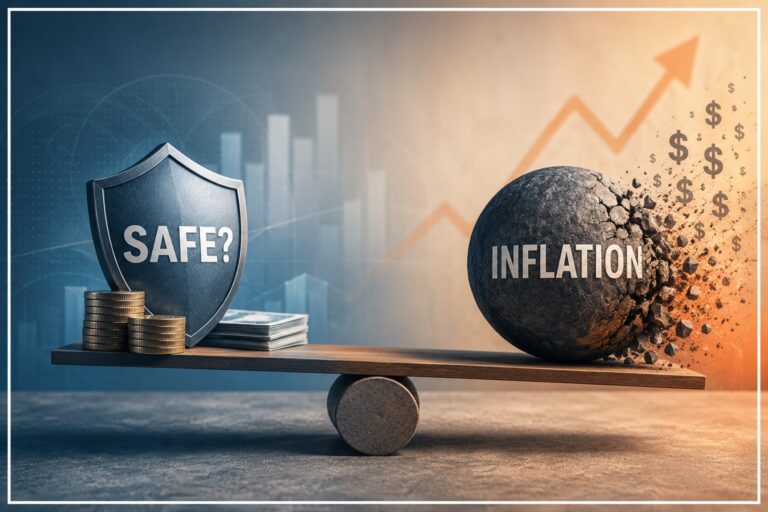
In times of uncertainty, holding cash feels safe. This is because cash is liquid, stable, and unaffected by the daily movement of markets. But, holding too much cash for too long exposes you to a less visible risk: inflation. Over
Insurance is often treated as optional—until life proves otherwise. We’ve seen families forced to liquidate assets or downscale drastically because a breadwinner was underinsured. The financial impact of death, disability, or severe illness can be absolutely devastating.