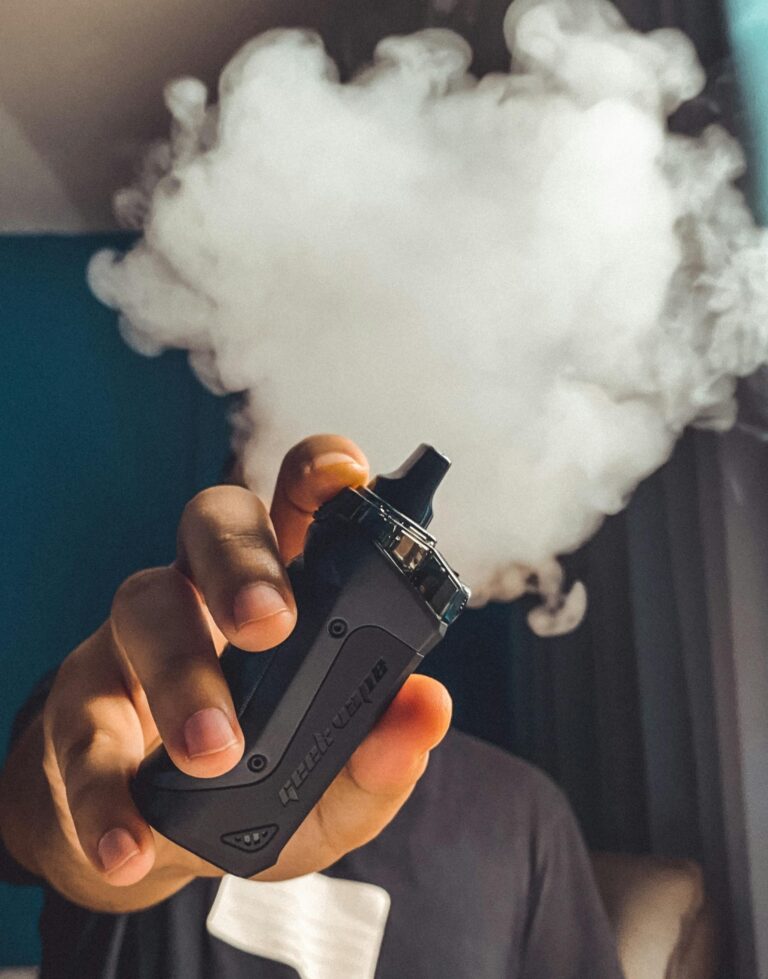
One of the most sobering realities we face as financial planners is watching young professionals – talented, hardworking, and on the cusp of building meaningful lives – come unstuck at the underwriting stage of their risk-cover applications. For many, it is the first time they realise that decisions made in their teens and early twenties can follow them well into adulthood in ways they never anticipated. The growing use of vapes, e-cigarettes, cannabis, and recreational drugs among students and young adults has created a new underwriting landscape, one that has very real implications for those seeking income protection, capital disability cover, and life cover.
This article is not intended to alarm; rather, it aims to create awareness. When you apply for life or disability cover, your past and current lifestyle choices form part of that assessment – and once these choices appear in your underwriting file, the consequences can be long-lasting.
Full disclosure is not optional – and insurers will ask directly
Most young professionals are aware that insurers will ask about cigarette smoking. Fewer realise that modern underwriting questionnaires now include explicit questions about vaping, e-cigarette use, cannabis consumption, and recreational drug use. These questions are not peripheral; they are central to the underwriting process. For example, you may be asked:
- Whether you currently vape or smoke e-cigarettes (including nicotine-free products).
- How often you vape, what type of device you use, and for how many years.
- Whether you have used cannabis recreationally or medicinally, and how recently.
- Whether you have ever used other recreational drugs – including cocaine, MDMA, magic mushrooms, ketamine, or tik.
- Whether you have sought treatment for substance use.
Many applicants believe that occasional or past experimentation does not ‘count’. But underwriting requires full, honest disclosure, even if the use was infrequent, years ago, or socially contextual. Non-disclosure is considered fraud, and if later discovered, can lead to claim repudiation – the worst possible outcome for a family depending on a risk benefit.
Why vaping is now treated the same as smoking
While vaping is widely perceived by young people as a safer alternative to smoking, insurers do not share the same view. In fact, in actuarial terms, vaping is classified as smoking for underwriting purposes because the long-term health implications remain uncertain, the nicotine exposure is often significant, and the behavioural risks correlate strongly with traditional smoking patterns.
The result is that young adults who vape are underwritten as smokers – with smoker-rated premiums that can be 40% to 75% higher than non-smoker rates, depending on the product and provider. Note that this applies even if the vape juice contains no nicotine. From the insurer’s perspective, what matters is the inhalation of aerosols and the presence of a behaviour that has future morbidity and mortality implications.
Because vaping often begins in high school or university, many young people applying for income protection or life cover for the first time are shocked to discover that this habit now places them in a permanently higher premium category.
Cannabis use: Legal does not mean underwriting-neutral
Although private cannabis use is legal in South Africa, its use is still a key factor in underwriting. Regular or heavy cannabis use can trigger higher premiums or exclusions for certain benefits, especially where mental health, cardiovascular risk, or dependency patterns may be involved. Even occasional recreational use requires disclosure. Whereas insurers differentiate between occasional social use and chronic use, note that both fall within the scope of underwriting. In fact, applicants are often surprised to learn that even infrequent cannabis use – once or twice a month – can affect their underwriting outcome.
Recreational drugs: Where exclusions become unavoidable
From our experience, the most significant underwriting challenges arise when young applicants disclose prior use of recreational drugs such as cocaine, MDMA, ketamine, or hallucinogens. In these cases, insurers may:
- Impose mental-health exclusions.
- Impose neurological exclusions.
- Decline certain disability benefits altogether.
- Postpone the application for a set period.
- Request medical tests, liver function tests, or psychiatric reports.
For young professionals who experimented with drugs in their early twenties and have since moved on, this can feel like an unfair penalty for a phase they believed was in the past. But underwriting is driven by statistics, and the evidence shows correlations between certain substances and future health risks.
The long-term financial consequences of impaired underwriting
What’s important to bear in mind is that risk cover is most affordable and accessible when you are young, healthy, and not yet exposed to chronic lifestyle-related risks. It’s during this period when you want insurers to issue clean, unencumbered cover – because the terms applied at inception often stay with you for life.
However, the reality is when a 25-year-old is loaded with smoker rates because they vape, the additional premium can compound into hundreds of thousands of rand over their working life. When a 28-year-old receives a mental-health exclusion due to recreational drug experimentation, that exclusion may remain in place indefinitely, leaving a gap in their financial safety net. When a young professional is declined income protection because of past substance use, rectifying that later can be extremely difficult, if not impossible. These early underwriting outcomes shape a person’s risk portfolio long before they fully appreciate their importance – and once entrenched, they cannot always be reversed.
A message to young adults: Your future self will thank you
As financial planners, we meet young professionals every year who are ready to take responsibility for their financial security. They want income protection, disability cover, and life cover because they understand the value of protecting their future earnings and their families. But too many discover too late that their earlier lifestyle choices have quietly compromised this critical foundation.
We are not suggesting that young people live fearfully or without freedom. Rather, we want them to understand that the choices they make today – especially regarding vaping, smoking, and recreational drug use – can have consequences that extend far beyond the moment. When you apply for risk cover, your insurer is assessing long-term health risk – and behaviours that feel benign in your twenties can affect your insurability, your premiums, and ultimately, your financial resilience.
If there is one piece of advice we would offer young adults, it is this: before picking up a vape pen, joining a smoking circle, or experimenting with recreational drugs, consider future you – the young professional who will one day want a clean underwriting record, affordable premiums, and comprehensive protection. Protecting your health, your habits, and your underwriting profile today is one of the most valuable financial decisions you will ever make.
Have an amazing day.
Sue